

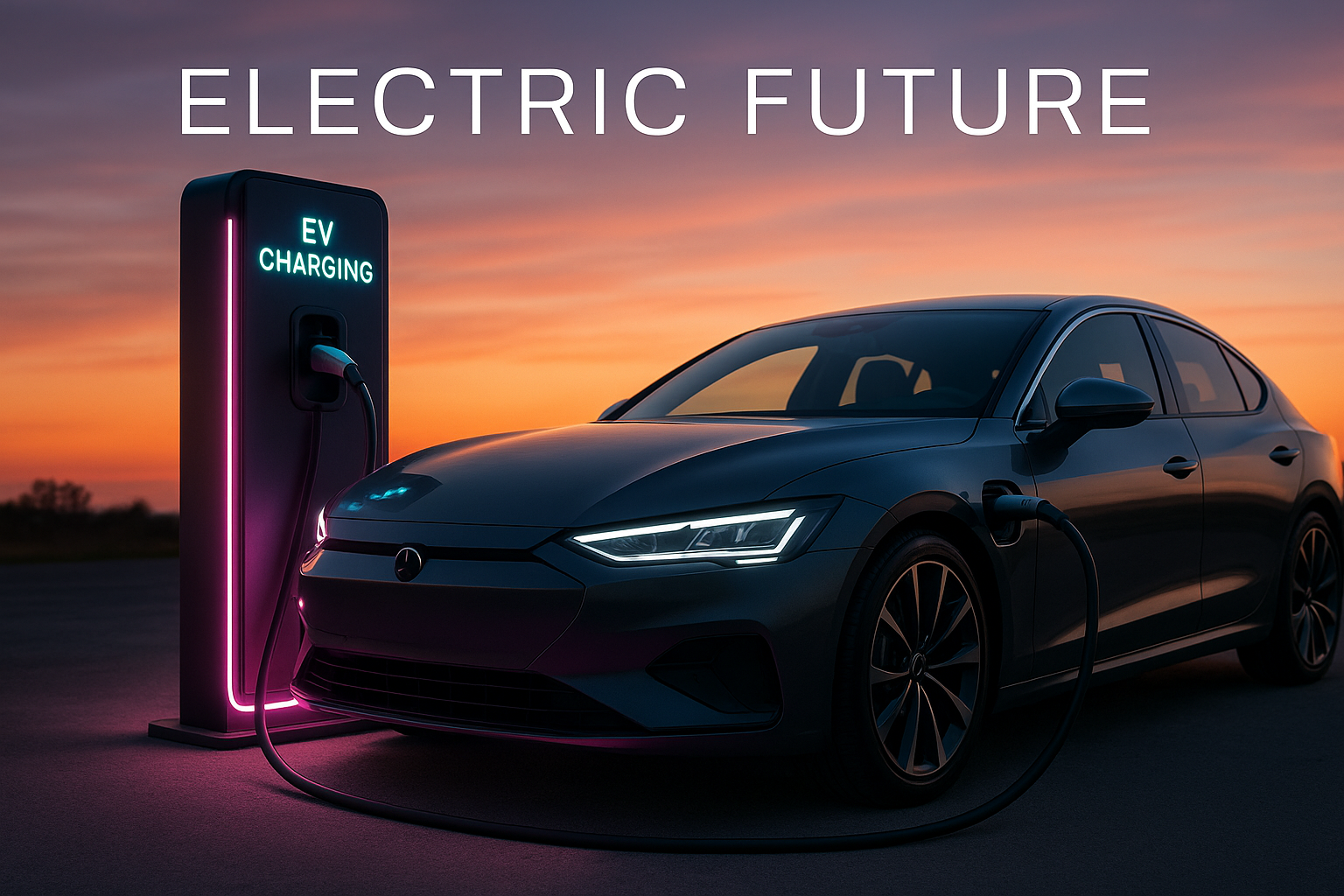
Electric Vehicles (EVs) are no longer just a luxury trend. As batteries get cheaper, ranges increase, and charging networks grow, EVs are becoming a realistic option for daily use. In the next few years, more people will switch from petrol and diesel cars to electric — not only for the environment, but for savings and convenience.
Table of Contents
- Introduction
- 1. Benefits of Electric Vehicles
- 2. Running Costs vs Traditional Cars
- 3. Charging at Home & Public Stations
- 4. Common Concerns About EVs
- 5. The Future of EV Adoption
- Conclusion
Introduction
Governments and car makers around the world are shifting towards cleaner transportation. EVs sit at the centre of that change. They are quiet, quick, and increasingly affordable.
1. Benefits of Electric Vehicles
- Lower emissions and cleaner air.
- Instant torque and smooth acceleration.
- Less noise and vibration while driving.
- Fewer moving parts — lower maintenance needs.
2. Running Costs vs Traditional Cars
- Electricity often costs less per kilometre than fuel.
- No engine oil changes or exhaust system repairs.
- Brakes last longer due to regenerative braking.
3. Charging at Home & Public Stations
Most daily driving can be covered by charging at home overnight.
- Home chargers are convenient for regular top-ups.
- Public fast chargers help on longer road trips.
- Workplace and mall chargers are becoming more common.
4. Common Concerns About EVs
- Range anxiety: Newer models offer much better range than earlier EVs.
- Battery life: Modern EV batteries are designed to last many years.
- Initial price: Purchase cost is higher, but long-term running costs can be lower.
5. The Future of EV Adoption
- More affordable models from multiple brands.
- Faster charging technology.
- Government incentives and policy support.
- Integration with smart homes and renewable energy.
Conclusion
Electric vehicles are not just a trend — they are the next step in personal transportation. As technology improves and infrastructure spreads, EVs will likely become the default choice for everyday driving.
